Balanced Nutrition on the Go
February 2026 | Educational Article
Introduction to Active Lifestyle Nutrition Concepts
Active lifestyles often involve periods away from home kitchens and situations where meal preparation options are limited. This article explores educational concepts related to maintaining nutritional variety in these contexts.
The content describes general principles and approaches from an informational perspective without prescribing specific food choices or dietary patterns. These descriptions serve an educational function in understanding nutrition concepts for mobile situations.
Understanding Nutritional Variety
In nutritional education, the concept of dietary variety refers to consuming foods from different categories over time. This principle is commonly discussed as a framework for understanding balanced eating patterns.
Variety in nutritional contexts typically refers to including different food groups, different items within food groups, and different preparation methods across meals and days. This concept provides a framework for thinking about food selection without prescribing specific combinations or quantities.
Food Group Diversity
Nutritional education frameworks often describe several major food groups:
- Vegetables and vegetable-based foods
- Fruits and fruit-based products
- Protein sources including animal products, legumes, nuts, and seeds
- Grains and grain-based foods
- Dairy products and alternatives
The concept of variety relates to including items from these different groups over time. This educational framework describes one approach to thinking about food diversity without claiming it as the only valid nutritional model.
Portable Food Considerations
When discussing nutrition in active lifestyle contexts, educational materials often address the practical aspects of food portability. Some foods transport and store more easily than others, which influences their utility in mobile situations.
Factors affecting food portability include storage requirements, structural integrity during transport, and consumption convenience. These practical considerations influence how people select foods for situations away from home.
Categories of Portable Foods
For educational purposes, portable foods can be described in several categories:
- Fresh fruits that require no preparation and withstand transport
- Pre-washed vegetables suitable for raw consumption
- Nuts, seeds, and dried fruits with stable storage characteristics
- Prepared grain dishes that can be transported in containers
- Protein items suitable for mobile consumption
These categories illustrate the concept of portable nutrition options. They are descriptive rather than prescriptive and acknowledge that food selection varies based on individual circumstances and preferences.
Meal Timing in Variable Schedules
Active lifestyles often involve variable schedules that affect when eating opportunities occur. Nutritional education acknowledges that meal timing patterns vary significantly based on individual schedules and circumstances.
Some people maintain relatively consistent eating times even with active schedules, while others adopt more flexible timing patterns. Different approaches suit different situations and individual preferences.
Flexible Eating Patterns
The concept of eating pattern flexibility refers to adapting food intake timing to accommodate varying daily demands. This concept appears in educational contexts as one approach to managing nutrition in active lifestyles.
Examples of flexible approaches include having portable food options available for unpredictable eating opportunities, structuring intake around when eating windows occur rather than fixed times, or combining smaller eating occasions with periodic larger meals.
These descriptions illustrate flexibility concepts without prescribing specific timing patterns. Individual approaches vary based on personal schedules, preferences, and circumstances.
Preparation Strategies for Mobile Situations
Educational materials about active lifestyle nutrition often discuss preparation strategies that support eating away from home. These strategies relate to advance planning and food selection considerations.
Some approaches involve preparing foods in advance that can be transported and consumed later. Other strategies focus on selecting items that require minimal or no preparation. Different people find different preparation approaches practical based on their situations.
Container and Storage Concepts
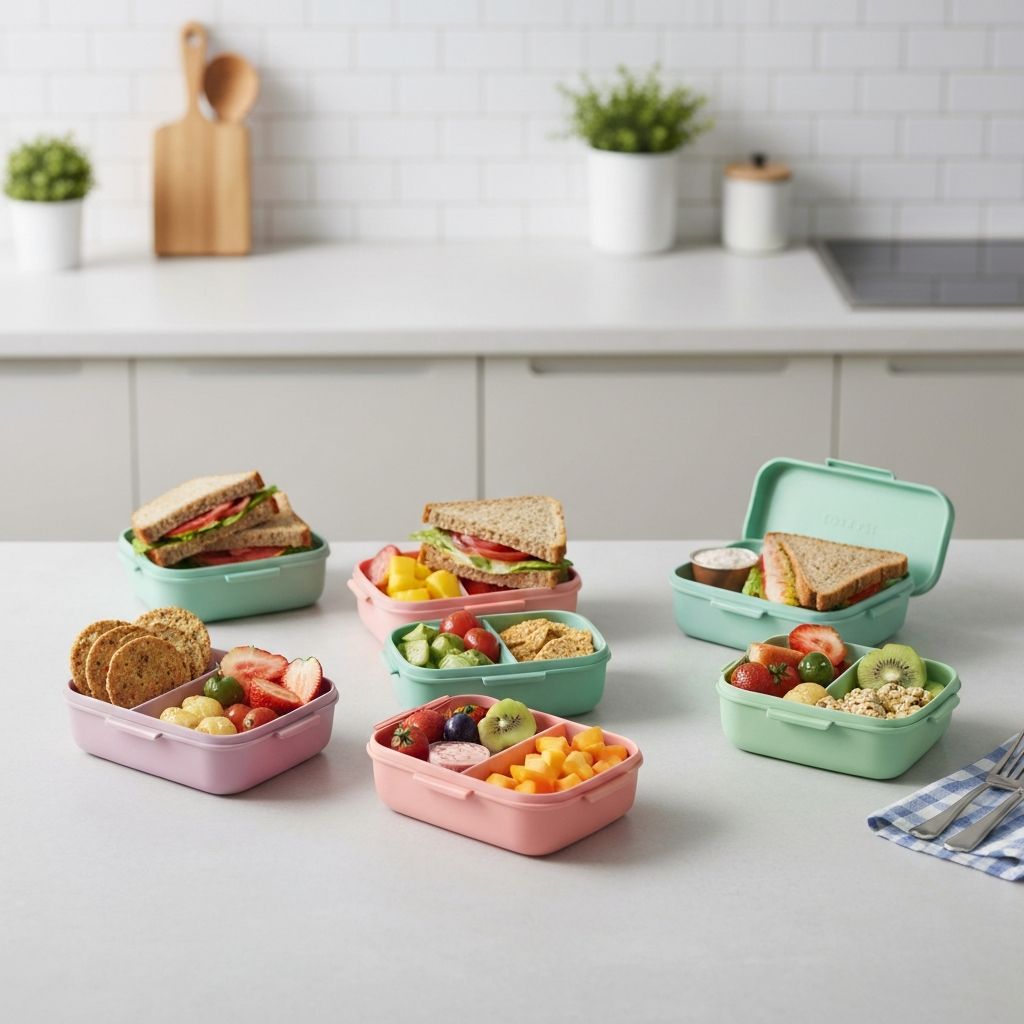
The practical aspects of food transport often involve container and storage considerations. Various types of food containers serve different functions:
- Insulated containers for maintaining food temperatures
- Compartmented containers for separating different food items
- Leak-proof containers for liquid or moist foods
- Simple containers for dry or stable items
These practical considerations influence how people organize portable meals. The descriptions serve an educational function without prescribing specific container types or storage methods.
Hydration Considerations
Nutritional education contexts often include hydration concepts alongside food intake discussions. Adequate fluid intake is commonly discussed as an important aspect of nutrition, particularly in active lifestyles.
Water is frequently mentioned as the primary hydration source in nutritional education. Other beverages also contribute to fluid intake, though their suitability varies based on their nutritional characteristics and individual circumstances.
Portable Hydration Options
For mobile situations, various portable hydration options exist. Water bottles, reusable containers, and other beverage transport methods serve different preferences and situations. The selection of hydration methods varies based on individual needs and practical considerations.
Situational Food Selection
When eating opportunities occur in various locations such as workplaces, public spaces, or during travel, food selection involves different considerations than home meal preparation. Educational content describes these situational factors without prescribing specific choices.
Available food options vary significantly between different locations and situations. Some environments offer varied food choices, while others present limited options. People navigate these different situations based on their preferences, needs, and the available alternatives.
Evaluation Considerations
Educational materials sometimes describe factors people consider when selecting foods in various situations:
- Available food category representation
- Preparation methods used for available options
- Portion sizes and combinations offered
- Practical aspects of consumption in the particular environment
- Personal preferences and dietary considerations
These factors interact differently in different situations. The descriptions provide educational context about food selection considerations without recommending specific evaluation methods.
Planned and Spontaneous Eating Occasions
Active lifestyles often include both planned eating occasions and spontaneous situations where food intake opportunities arise. Nutritional education acknowledges this reality and describes various approaches to managing both types of situations.
Some people prefer detailed advance planning for all eating occasions, while others adopt more spontaneous approaches. Many people use a combination of planned and flexible strategies based on their schedules and preferences.
Planning Approaches
For planned eating occasions in mobile contexts, various preparation approaches exist. Some involve preparing complete meals in advance, while others focus on having components available that can be assembled as needed.
Different planning intensities suit different individuals and situations. The educational description of these approaches illustrates the range of possibilities without suggesting particular planning methods as optimal.
Environmental and Practical Constraints
Real-world eating situations involve various practical constraints that influence food selection and consumption patterns. These constraints vary significantly based on individual circumstances, geographic locations, work environments, and numerous other factors.
Educational content acknowledges these practical realities while describing nutrition concepts. The interaction between nutritional principles and practical constraints results in diverse individual approaches to managing nutrition in active lifestyles.
Individual Adaptation Concepts
A key principle in nutritional education is recognizing that people adapt general concepts to their specific situations in highly individual ways. What works well in one person's lifestyle may not suit another's circumstances or preferences.
Active lifestyle nutrition concepts are particularly subject to individual adaptation because the practical constraints and opportunities vary so significantly between different people's situations. Educational content describes general concepts while acknowledging this diversity of implementation.
Educational Context and Limitations
This article presents educational information about nutrition concepts for active lifestyles and mobile eating situations. It describes general principles and approaches in an informational context without providing individual advice, specific meal plans, or prescriptive recommendations.
Nutritional needs and appropriate approaches vary significantly based on individual factors including activity levels, health status, personal circumstances, and numerous other considerations. The concepts described here should be understood as educational explanations rather than instructions for specific actions.
Individuals seeking personalized guidance about nutrition in the context of active lifestyles should consult with qualified healthcare or nutrition professionals who can evaluate their specific situations and provide individualized recommendations.
The examples and approaches described in this article are simplified for educational clarity. Real-world nutrition management in active lifestyles involves numerous personal and practical factors that cannot be addressed through general informational content.